01
Pre-session intake
Before joining, each participant completes a short movement history form. The facilitator
reviews these before the session to calibrate the group's starting point — no cold starts,
no generic warm-ups.
02
Live group work with structured rounds
Sessions follow a fixed structure: movement demonstration, group practice, paired
observation, and facilitated debrief. Each round targets a specific joint or movement
pattern, with corrections given in real time.
03
Post-session reference material
Participants receive a written summary of the session's key points — not a generic handout,
but notes drawn directly from what the group worked on that day. Useful for self-directed
practice between sessions.
Group sessions are kept intentionally small — between six and ten participants. At that scale,
the facilitator can observe each person's movement pattern at least twice per session, which is
where most useful feedback happens.
Participants also observe each other, which adds a learning dimension that solo training cannot
replicate. Seeing someone else struggle with the same movement you find difficult — and then
correct it — is often more instructive than verbal explanation alone.
Sessions are conducted entirely online via video. Participants need a clear floor space of
roughly two metres, comfortable clothing, and a device positioned to show their full body during
standing movements.


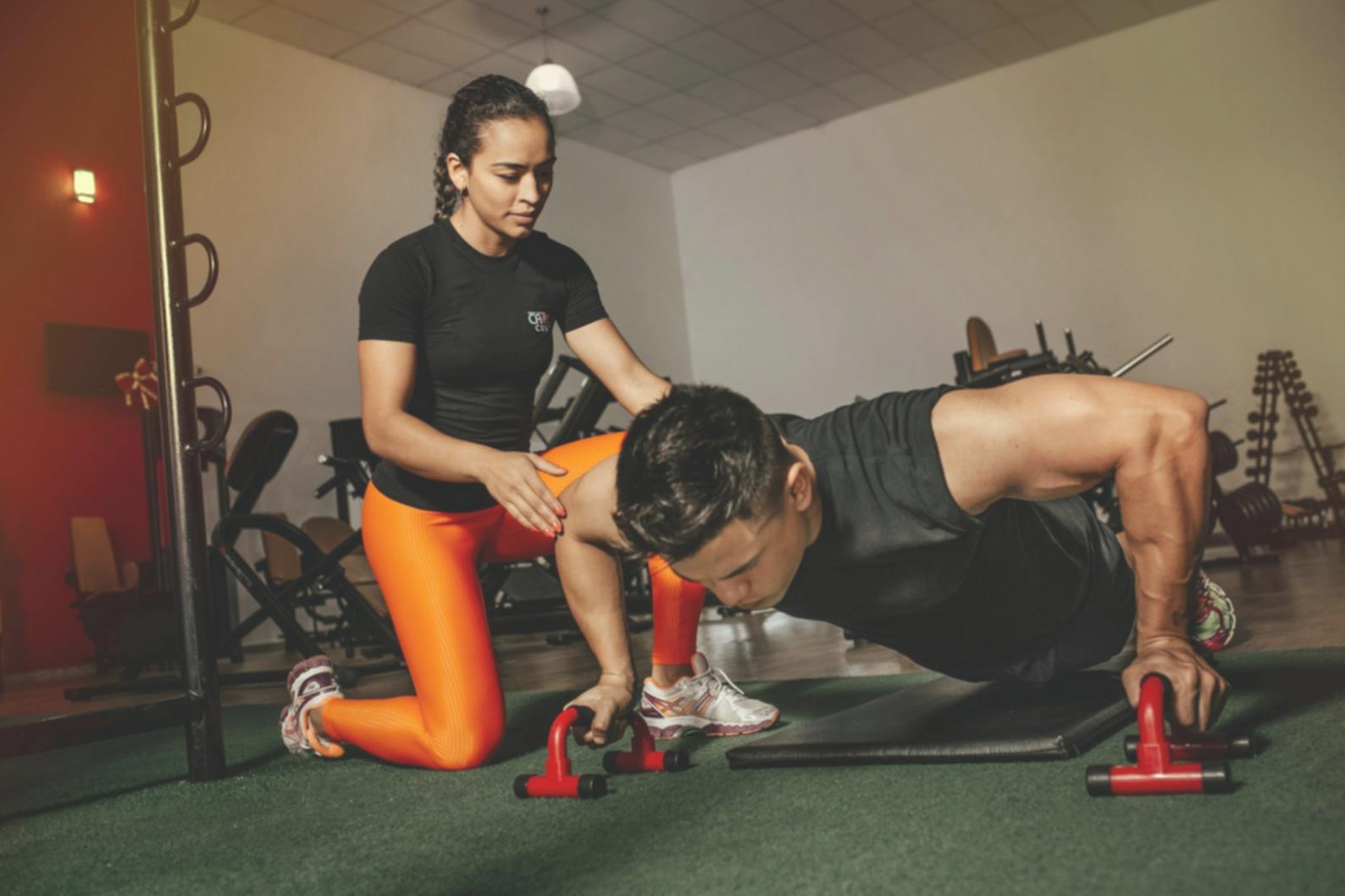 Injury Prevention Coaches and club
administrators
Injury Prevention Coaches and club
administrators