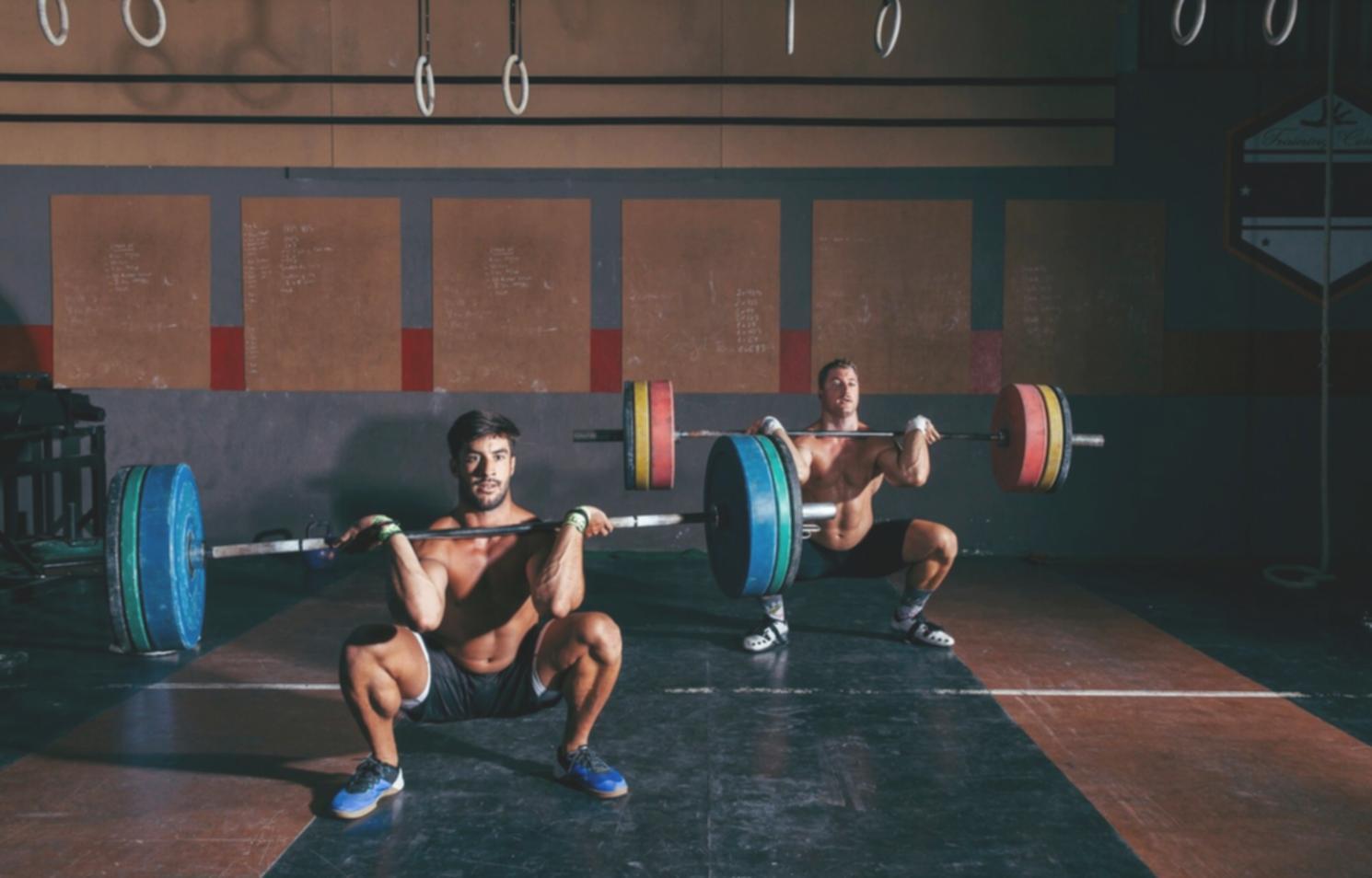
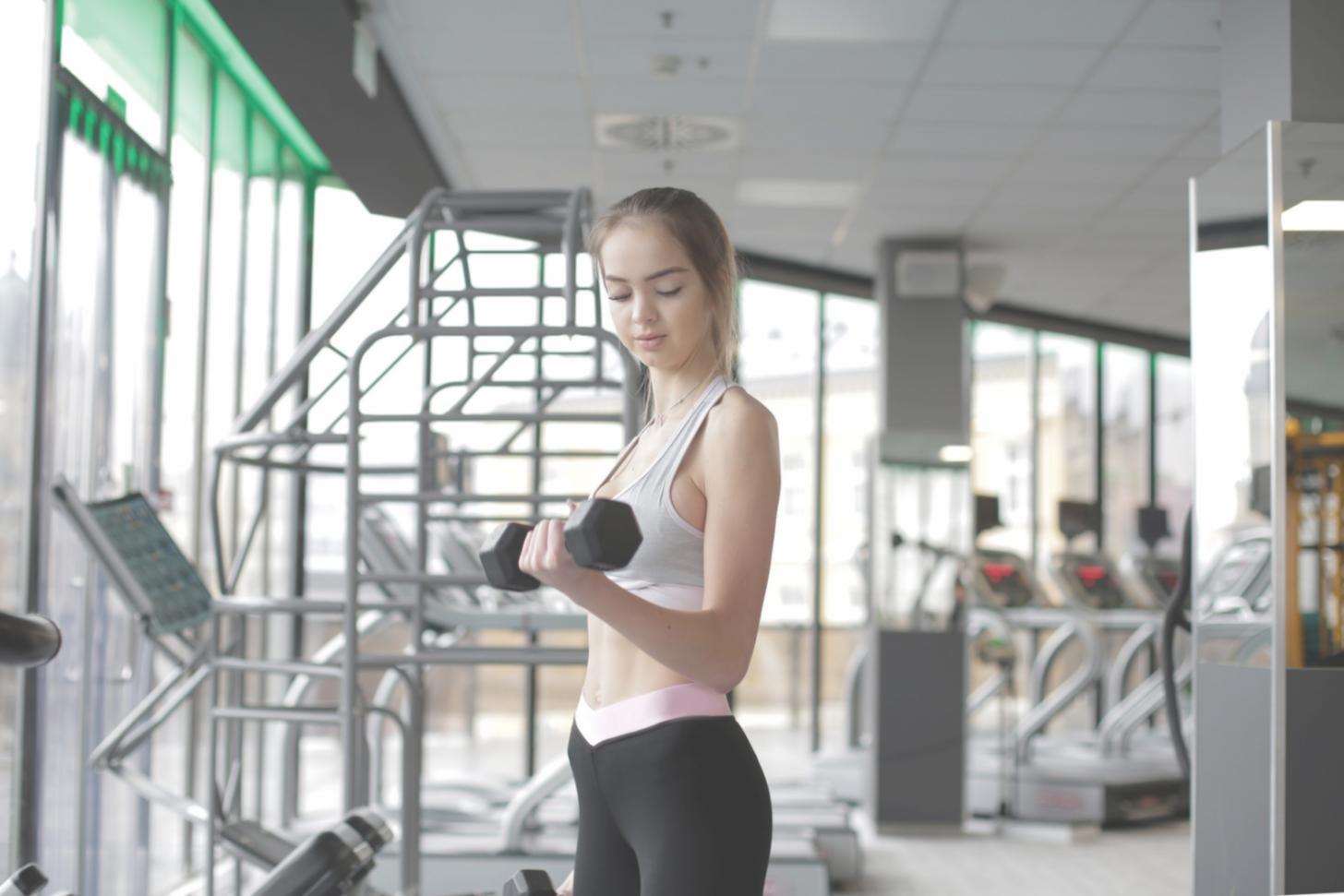
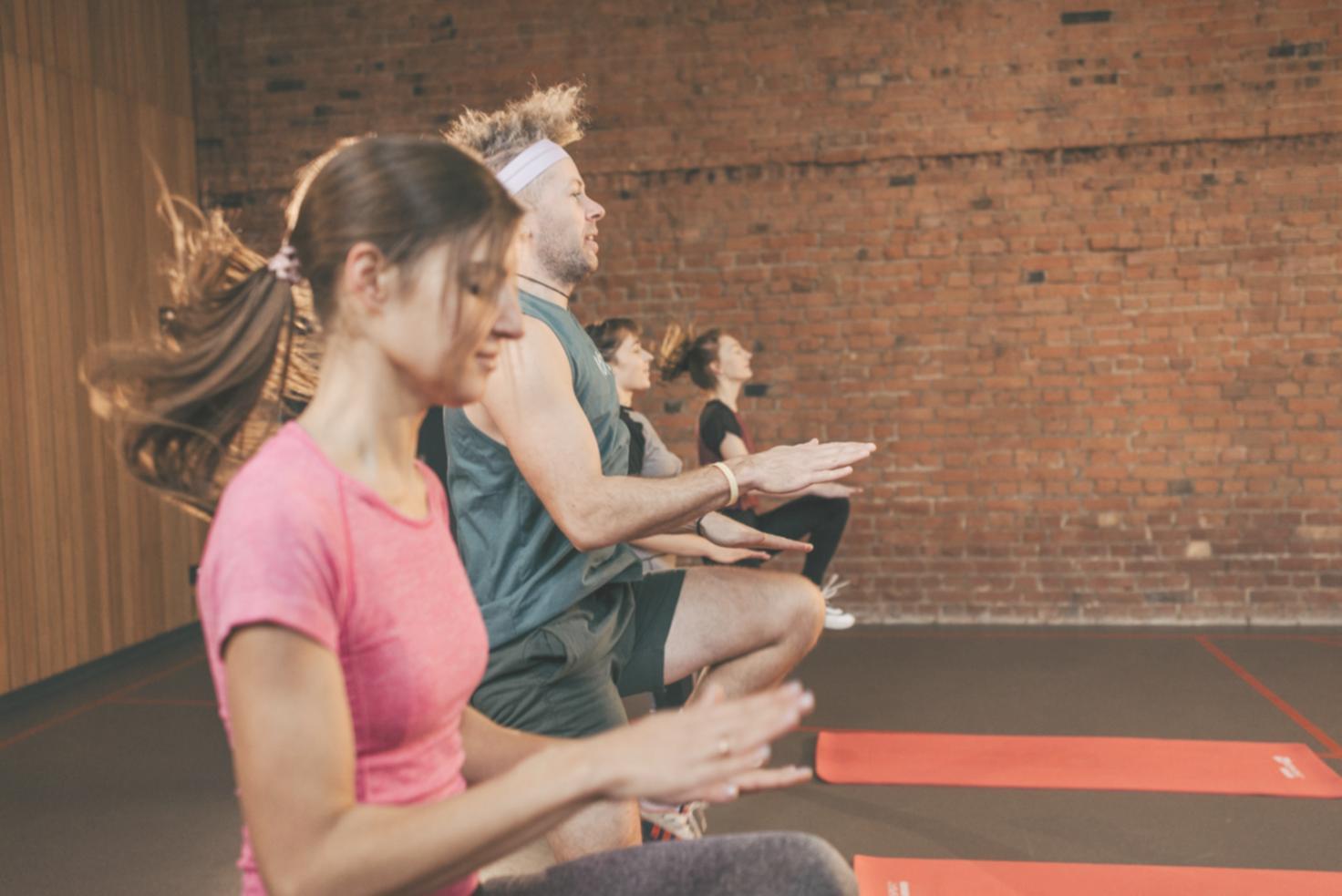
Group injury prevention gymnastics session in progress

About Ulvinka

Structured movement against injury risk

Group practice built around anatomical logic, not routine effort

Ulvinka works with participants worldwide to reduce musculoskeletal injury risk through evidence-informed gymnastics practice. Sessions run in structured groups where collective feedback and facilitated discussion shape how each person applies the material to their own body mechanics.

Background

Where Ulvinka came from

Ulvinka was established in 2014 by practitioners who noticed a gap between individual physiotherapy and the kind of disciplined preventive movement that actually sticks long-term. The group format was deliberate from the start — participants tend to stay consistent when they share a practice with others who face similar anatomical challenges.

The programs do not promise recovery from existing injuries. They address the mechanical habits — joint loading, range deficits, compensatory patterns — that create conditions for injury over time. Work happens online in live sessions, making the material available to clients across multiple time zones without loss of facilitation quality.

11+ Years of practice
6 Active facilitators
30+ Countries reached
Facilitator demonstrating joint alignment correction to group participants

How sessions work

Four principles that shape every program

Each program follows the same structural logic regardless of participant background. The principles below are not aspirational — they describe what actually happens during sessions and why the format holds up across different participant needs.

Anatomy before intensity

Load and repetition follow only after joint positioning is established. Programs start with range-of-motion assessment and spend the first sessions on alignment before any progressive load is introduced.

Repetition cycles with built-in reassessment

Every four-week cycle ends with a reassessment session. Participants revisit baseline movements to identify what has changed and what still requires attention. Progress is incremental and documented.

Structured peer exchange

Participants share observations about their practice between sessions via a moderated written format. Facilitators review submissions and address recurring patterns at the next session opening.

Dorota Wierzbicka

Lead Program Facilitator

Dorota designed the core curriculum for lower-limb injury prevention and leads the foundational group cohorts. She trained in clinical biomechanics in Kraków and has worked with amateur endurance athletes on structural load management since 2016. Her sessions focus on hip and knee stabilisation patterns under repeated movement conditions.

Takeshi Moriwaki

Upper-Body Specialist

Takeshi's background is in gymnastics coaching with a focus on shoulder and thoracic spine mechanics. He leads the upper-body prevention programs and the intermediate track, where participants with desk-based postural patterns work on scapular control and cervical mobility. He joined Ulvinka in 2019 after seven years coaching competitive gymnasts.

Brigitte Ahounou

Reassessment and Progress Facilitator

Brigitte leads reassessment cycles and the participant exchange sessions. She holds a degree in physical rehabilitation and specialises in translating movement observation into practical adjustments that participants can apply independently between sessions. Her work keeps the feedback loop between facilitators and participants consistently active.

Raffaele Schiavone

Program Development and Research

Raffaele reviews published movement science literature and maps findings into updates for the curriculum. He does not lead live sessions regularly, but participates in curriculum review cycles every quarter. His work ensures the programs stay grounded in current research rather than inherited convention.

Questions about how sessions are structured or whether a program fits your situation — the contact page has details on how to reach the team directly.

Contact the team