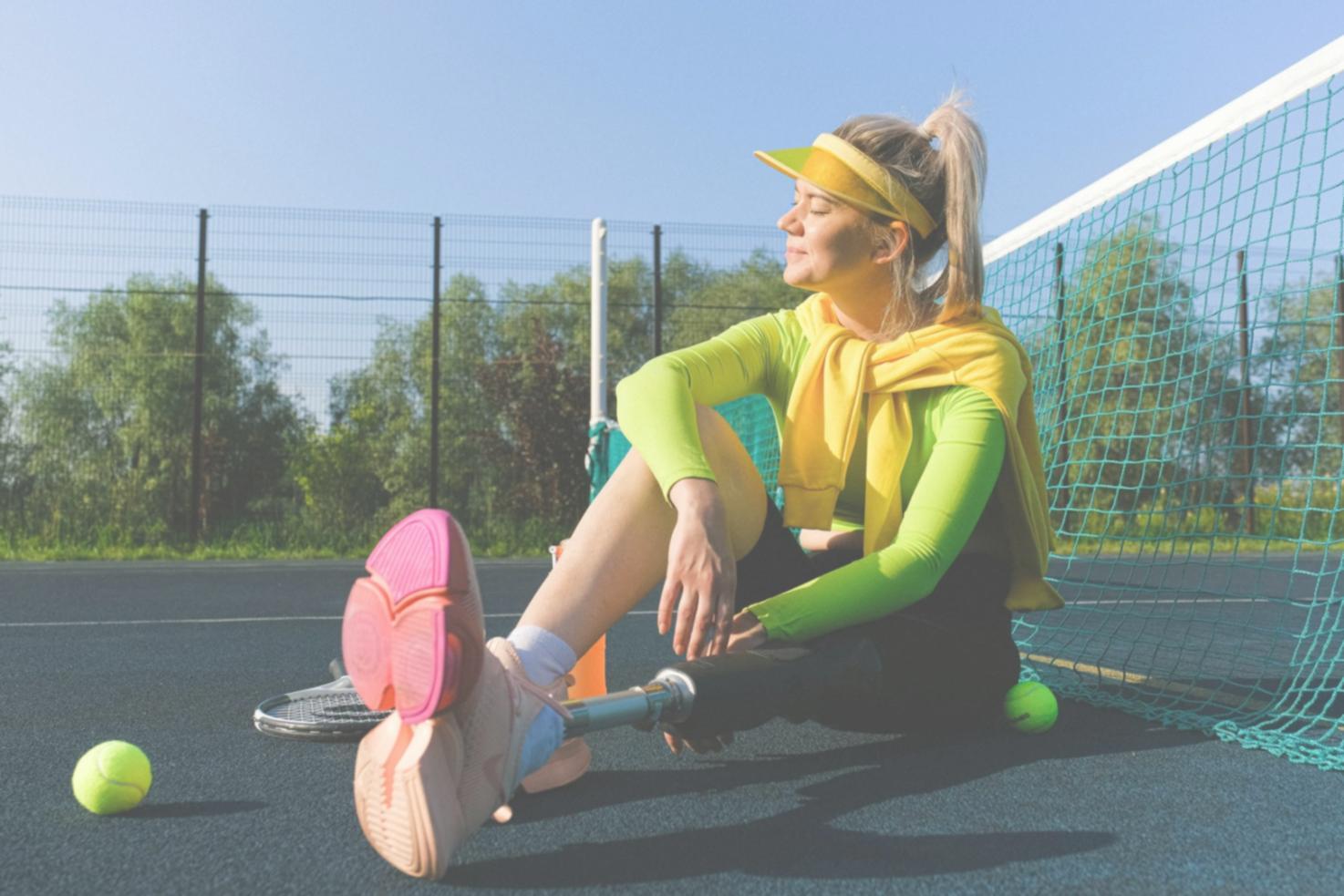
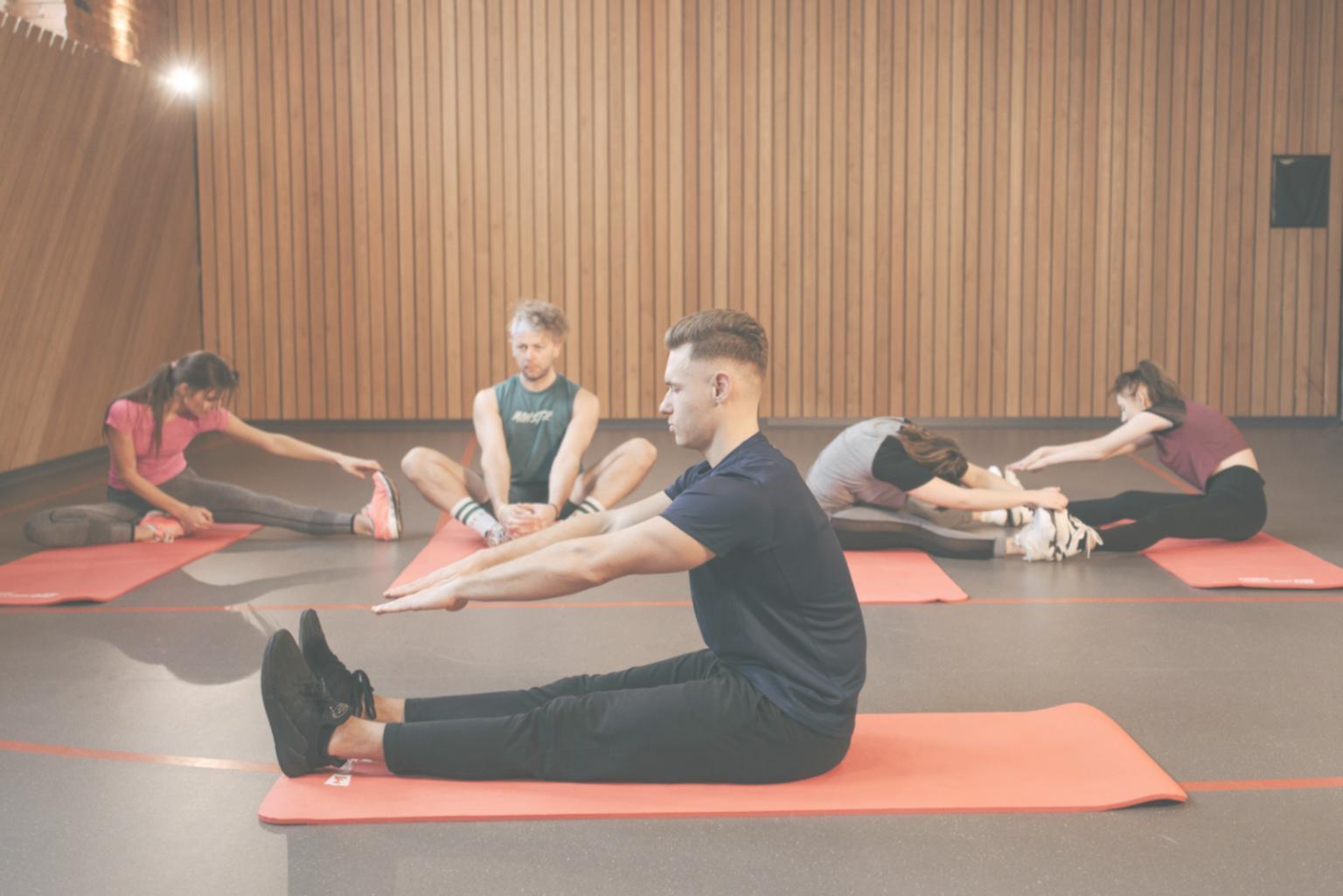
Gymnastics instructor guiding a group session focused on injury prevention

Group online sessions — Ulvinka

Injury Prevention Gymnastics

A structured group programme addressing the movement patterns that lead to chronic strain, joint stress, and recurring soft-tissue injury — before those problems become unavoidable.

Participants in an online group gymnastics class performing corrective movement exercises

The situations that bring people here

Most participants arrive not because of a single acute event, but because of something quieter — a persistent ache after long desk hours, a shoulder that never quite recovered, or the slow accumulation of tension that no amount of stretching seems to address. The common thread is movement that has drifted out of balance over time.

  • 01 People with sedentary work routines who notice stiffness migrating from the lower back into the hips and upper legs — often aggravated by sitting postures held for six or more hours daily.
  • 02 Athletes and active people returning from a minor injury who want to understand what broke down mechanically, not just recover and repeat the same loading pattern.
  • 03 Individuals who train regularly but have never addressed control, coordination, or joint stability — and feel the gaps showing up as nagging discomfort during compound movements.

What signals professional standing in this field

Accredited curriculum design

Ulvinka's programme structure aligns with functional movement screening principles used by certified sports medicine practitioners. Session protocols are documented and periodically reviewed against current clinical guidelines.

Group facilitation methodology

Sessions are built around peer observation and collective feedback — participants correct each other's patterns with facilitator guidance. This approach accelerates proprioceptive awareness faster than solo practice alone can.

Cross-border delivery

Live online sessions accommodate participants across multiple time zones simultaneously. Scheduling accounts for North American, European, and Asia-Pacific windows, with rotating cohort times to maintain global access without exclusion.

Movement quality is measurable — and the gaps are usually smaller than they feel.

Patterns that repeat across groups and years

Consistency across hundreds of cohorts since 2014 has produced a clearer picture of which interventions actually transfer into daily movement — and which produce short-term compliance without lasting change. The numbers below reflect operational reality, not aspirational targets.

11 Years of continuous programme delivery
6 Active cohort time zones served simultaneously
8 Weeks per structured programme cycle
14 Group sessions per full programme cycle
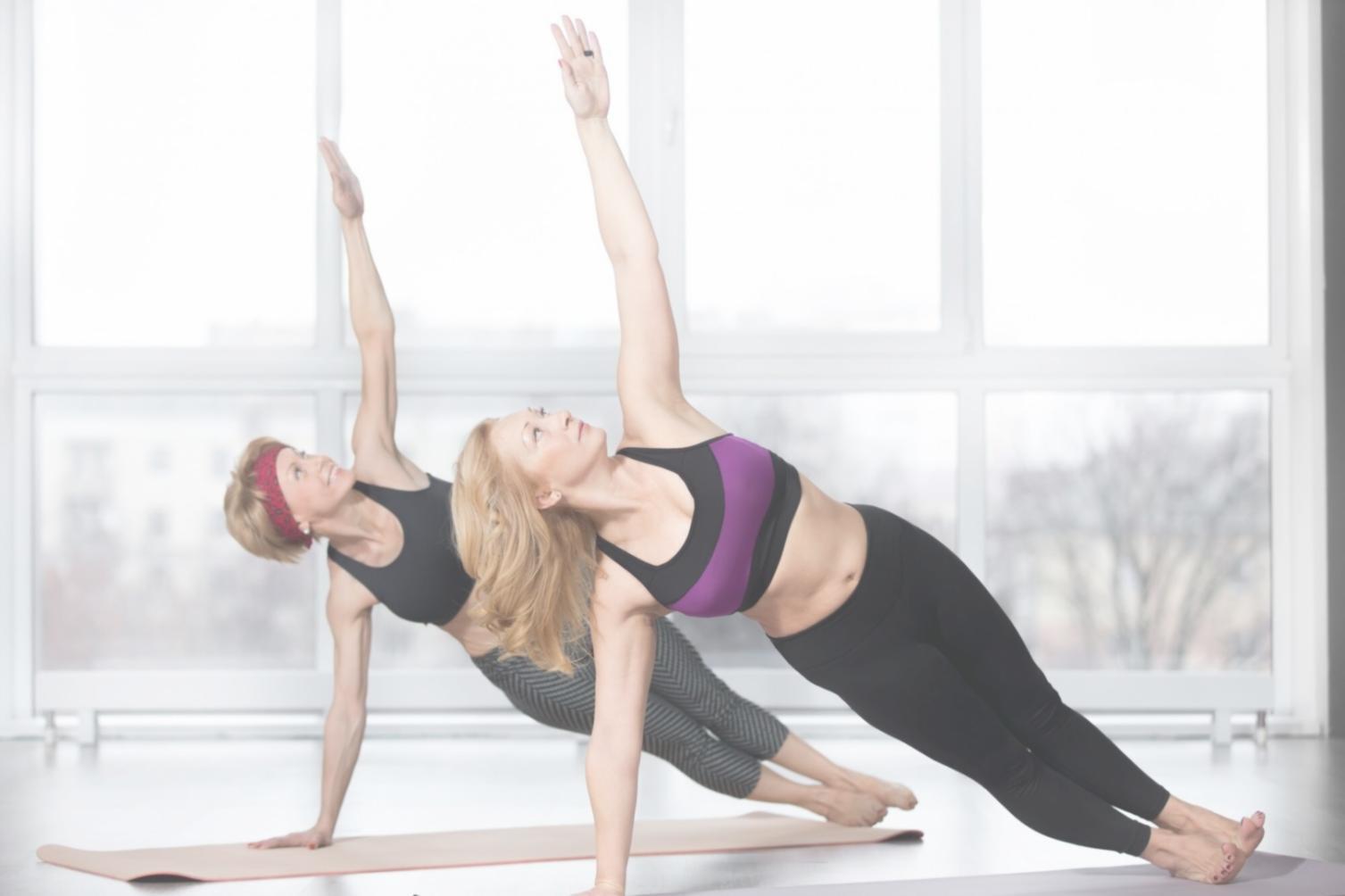
Wide view of an online group session with multiple participants performing coordinated movement exercises

The core problem: movement without feedback

Repetition without correction doesn't build resilience — it reinforces the pattern that caused the problem.

Most injury prevention advice focuses on what to do — stretch this, strengthen that, rest here. What it consistently skips is the quality of the movement being performed. A hip hinge done with a collapsed lumbar curve four hundred times a week produces a different outcome than the same movement done with spine neutral. The volume is identical; the injury risk is not.

Group practice solves part of this by introducing external observation. When multiple people perform the same movement simultaneously, differences become visible in ways that a mirror or a self-recorded video rarely captures. Facilitators can address a pattern they observe in three participants at once, which concentrates correction time and creates faster collective calibration.

The specific issue Ulvinka's programme addresses is the gap between knowing what a correct movement looks like and actually sensing when you are doing it. Proprioception — the body's awareness of its own position — is trainable. The programme allocates time to it deliberately, not as a warm-up add-on.

  • 01 Compensation patterns built up over months go undetected in solo training — group observation makes them visible within the first session.
  • 02 Asymmetries between dominant and non-dominant sides are often only noticed under load — the programme includes bilateral assessment at each cycle's start.
  • 03 Stability at end-range — where most injuries occur — receives almost no attention in standard fitness programming. Sessions here specifically train that range.
  • 04 Breathing mechanics affect intra-abdominal pressure and directly influence spinal load during movement — it is addressed in every session as a functional variable.

Qualifications and field experience of the facilitators

Portrait of Dorothée Winklmayr, lead facilitator at Ulvinka
Dorothée Winklmayr
Lead Facilitator — Movement Correction

Trained in kinesiotherapy with a clinical background in rehabilitation settings across Austria and remotely since relocating. Dorothée has facilitated group sessions with populations ranging from sedentary office workers to semi-professional climbers — the demand on movement precision is different across those groups; the underlying corrective principles are not.

Reuven Szabo-Hartmann
Programme Design — Stability & Joint Mechanics

Former competitive gymnast with post-graduate study in biomechanics and seven years spent designing movement assessment protocols for corporate wellness programmes in the EU. Reuven constructed the programme's eight-week cycle structure and its bilateral assessment framework, drawing on outcome data from earlier group iterations to identify which exercises transferred to daily function and which did not.

Questions about session format, group size, or whether the programme fits a specific situation can be directed to the contact page. Detailed event schedules and cohort availability are listed on the events page.